
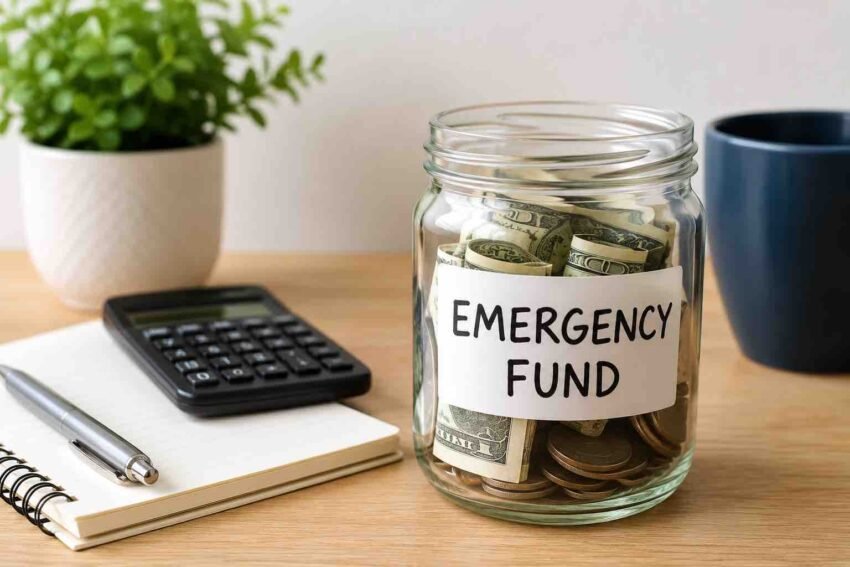
Unexpected expenses can happen at any time. Car repairs, medical bills, job loss, or home emergencies can quickly create financial stress if you are unprepared.
That is why many financial experts recommend building an emergency fund, even if you start small.
The good news is that you do not need a large income to begin saving.
Why an Emergency Fund Matters
An emergency fund is money set aside specifically for unexpected situations.
According to the Consumer Financial Protection Bureau, emergency savings can help reduce debt and improve financial stability during difficult times.
Without emergency savings, many people rely on:
- credit cards,
- personal loans,
- or high-interest debt.
Even a small emergency fund can help reduce financial pressure.
Start Small Instead of Waiting
Many people delay saving because they think they need to save thousands of dollars immediately.
In reality, starting with smaller goals is often more effective.
Examples:
- first $100
- first $500
- first $1,000
Small progress can build momentum and healthy financial habits.
Automate Your Savings
One of the easiest ways to save consistently is automation.
Setting up automatic transfers each payday can help:
- remove temptation,
- build consistency,
- and simplify saving.
Even transferring a small amount weekly may grow significantly over time.
Reduce One Unnecessary Expense
Cutting every enjoyable expense usually does not work long term.
Instead, focus on reducing just one unnecessary monthly expense.
Examples include:
- unused subscriptions,
- excessive food delivery,
- impulse online shopping,
- or expensive coffee habits.
Redirecting even a small amount toward savings can help build an emergency fund faster.
Keep Your Emergency Fund Separate
Many financial experts recommend keeping emergency savings in a separate account.
This can help:
- reduce impulse spending,
- improve organization,
- and make tracking easier.
High-yield savings accounts are often popular for emergency funds because they may offer better interest rates than traditional savings accounts.
Save Unexpected Money
Tax refunds, bonuses, cashback rewards, and gift money can be great opportunities to boost savings.
Instead of spending all unexpected income immediately, consider saving part of it for emergencies.
Small deposits can add up surprisingly fast.
Avoid Using the Fund for Non-Emergencies
An emergency fund should ideally be reserved for real financial emergencies.
Examples may include:
- urgent medical expenses,
- necessary car repairs,
- temporary income loss,
- or critical home repairs.
Using the fund only when truly needed helps maintain financial security.
How Much Should You Save?
Financial goals vary depending on personal circumstances.
Many experts suggest eventually saving:
- three to six months of essential expenses.
However, even smaller emergency savings can make a meaningful difference.
According to Fidelity Investments, building emergency savings gradually is often more sustainable than trying to save aggressively all at once.
Final Thoughts
Building an emergency fund is not about perfection. It is about creating a financial safety net step by step.
Even small savings habits today can provide greater peace of mind and financial stability in the future.